Why Sourdough is the Healthiest Bread
In a world obsessed with low-carb diets, sourdough stands tall as a nutritious, gut-friendly exception. Unlike commercial bread, which is made with commercial yeast, sourdough is leavened using a 'starter'—a wild yeast and bacteria culture that ferments over time. This fermentation process breaks down the gluten (making it easier to digest) and lowers the bread's glycemic index. This means you won't get a massive blood sugar spike after eating it. Moreover, the lactic acid produced during fermentation creates the iconic tangy flavor and ensures the bread stays fresh for much longer than store-bought loaves. Baking sourdough is not just cooking; it's a slow, meditative process that connects you to centuries of culinary tradition.

Building Your Starter from Scratch
The heart of sourdough is the starter, and creating one sounds intimidating, but it's incredibly simple. You need only two ingredients: flour and water. Start by mixing equal parts (by weight) of whole wheat flour and filtered water in a glass jar. Cover it with a breathable cloth and leave it at room temperature. Every day, you will 'feed' the starter by discarding half of the mixture and adding fresh flour and water. After about 7 to 10 days, you will see bubbles form, and it will smell fruity and tangy. This is the sign that the wild yeast has colonized your jar. This is now your living, breathing leavening agent that will power your bread forever.
The Art of Stretch and Fold
Unlike heavy kneading used in commercial bread production, sourdough relies on a technique called 'stretch and fold'. Once you mix your flour, water, and starter into a shaggy dough, you let it rest for 30 minutes (autolyse). Then, you gently grab a corner of the dough, stretch it up, and fold it over the center. Rotate the bowl and repeat this 4 times. Do this 3 times at 30-minute intervals. This gentle method develops the gluten strands without overworking them. It creates a dough that is highly extensible and strong enough to trap the gas produced by the yeast, resulting in a crumbly, airy interior with huge holes, which is the hallmark of a professional bakery loaf.
Shaping and Proofing: The Final Ballet
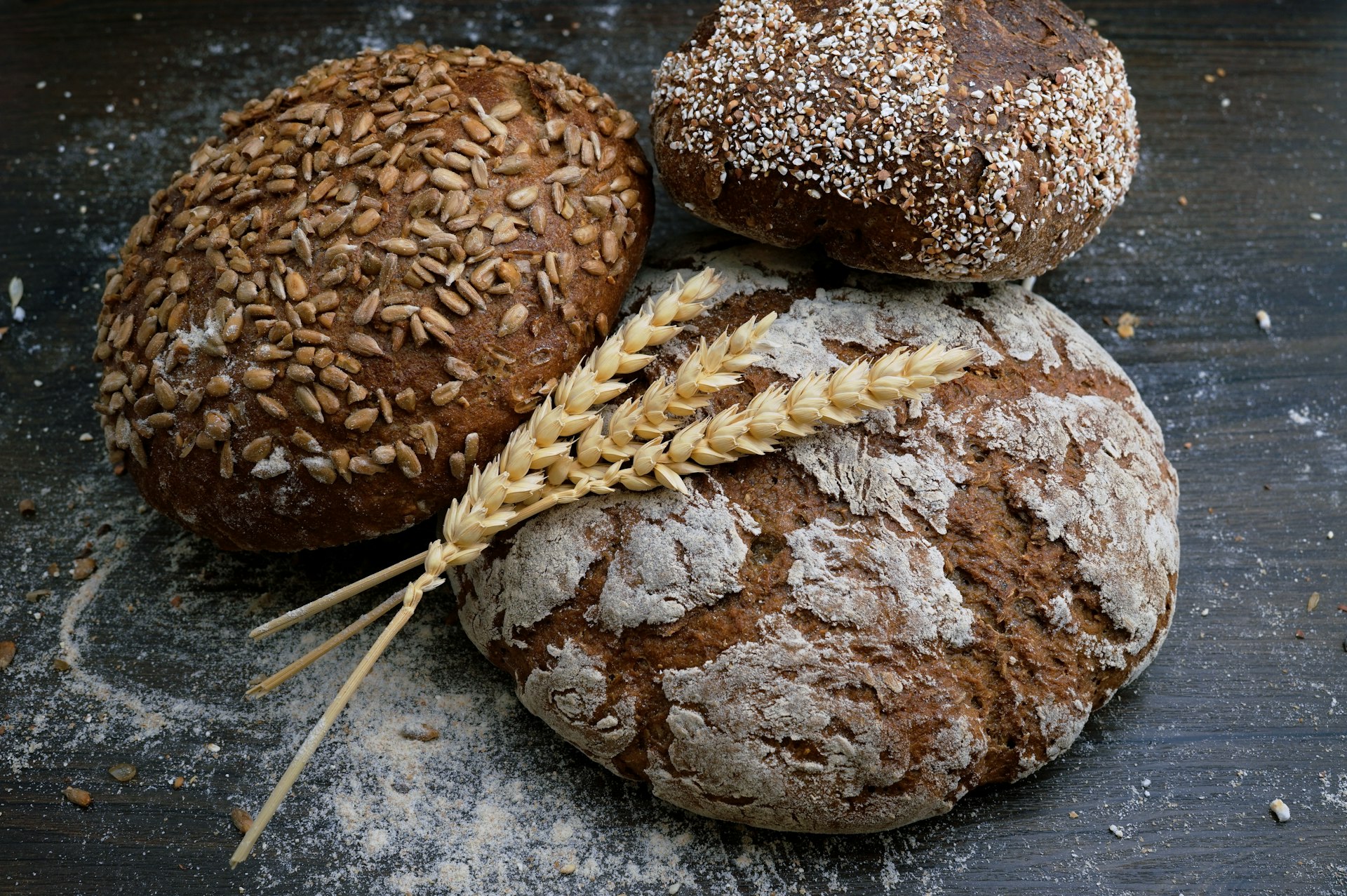
Shaping the dough is where you give your loaf its final structure. After the bulk fermentation, turn the dough out onto a lightly floured surface. Gently pat it into a rectangle, then fold the top third down and the bottom third up. Then, roll it into a tight cylinder or a round boule. This tension creates surface tension on the outside, which helps the bread rise up when baked. Place the shaped dough into a proofing basket (or a floured bowl) seam-side up. Cover it and put it in the refrigerator for 12 to 24 hours. This 'cold retard' slows down the fermentation, which improves the flavor complexity and makes the dough easier to score.
Scoring and Baking: The Magic Moment
The baking day is the most exciting part. Preheat your oven to 450°F (230°C) with a Dutch oven inside. Place a baking sheet on the bottom rack to catch any drips. Once the dough is chilled, turn it out onto a piece of parchment paper. Using a very sharp razor blade (lame), make a shallow, swift cut across the top of the dough. This 'score' is essential; it tells the bread exactly where to expand as it bakes, creating a beautiful 'ear' on the crust. Carefully lower the dough into the Dutch oven, put the lid on, and bake for 20 minutes. Then, remove the lid and bake for another 20 minutes until the crust is a deep, dark mahogany color. Let it cool completely (this is the hardest part) before slicing.
Troubleshooting Common Sourdough Mistakes
Your first sourdough loaf will almost certainly be a disaster, and that is absolutely okay. The most common mistake is a flat, dense loaf. This usually means your starter wasn't active enough or you over-proofed the dough. If the dough is sticky and impossible to handle, you likely added too much water or didn't build enough gluten during the folds. If the crust gets too dark before the inside is baked, lower your oven temperature. The beauty of baking is in the failures; every dense loaf teaches you something new. Keep feeding your starter, keep experimenting with hydration percentages, and eventually, you will pull a perfect, golden, sourdough boule out of your oven that rivals any bakery in Paris.