Why Flexibility Matters More Than You Think
Most gym-goers focus entirely on lifting heavy weights or running fast, completely neglecting one of the most crucial components of fitness: flexibility. Poor flexibility leads to poor posture, chronic lower back pain, and significantly higher risks of injury. When your muscles are tight, they don't contract efficiently, which actually reduces your strength. A flexible body is a youthful, resilient body. The good news is that you don't need to spend hours doing yoga to become flexible. By dedicating just 10 minutes a day to a focused stretching routine, you can regain your mobility, reduce muscle soreness, and feel incredible.
The Science of Static vs. Dynamic Stretching
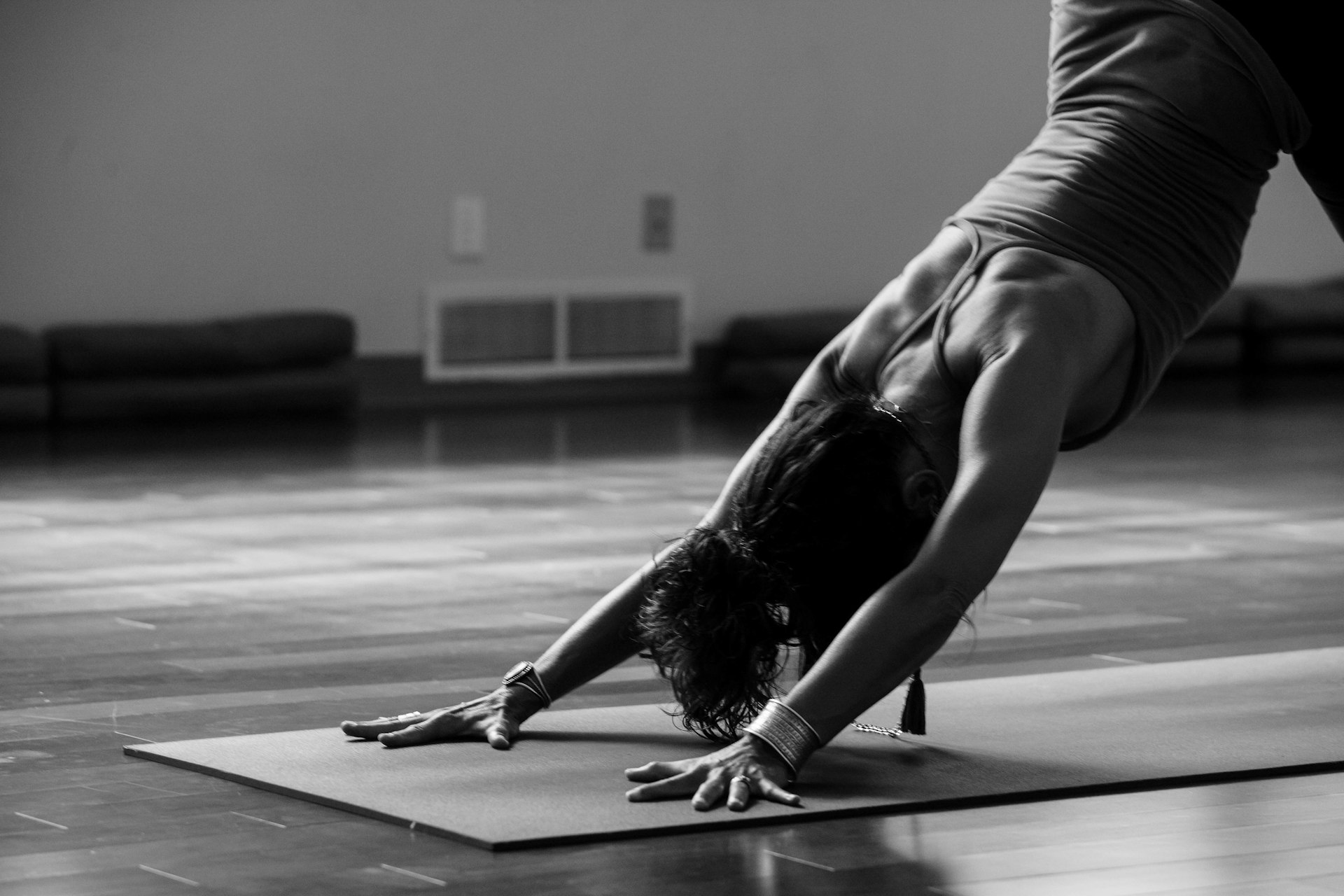
Before we dive into the routine, it is vital to understand the difference between static and dynamic stretching. Dynamic stretching involves moving your body through a range of motion (like leg swings or arm circles). This is perfect for a warm-up before a workout as it increases blood flow to the muscles and prepares the nervous system. Static stretching, on the other hand, involves holding a stretch at the point of mild tension for 30 seconds or more. This is best done after a workout (or on rest days) when the muscles are warm. Static stretching helps lengthen the connective tissue and increases long-term flexibility. Our 10-minute routine focuses on static stretching.
Stretch 1: The Hamstring Sweep (Lower Back and Hams)
Sit on the floor with your legs extended straight in front of you. Point your toes back towards you to engage the hamstring. Slowly hinge at your hips and walk your hands down your legs, trying to reach your toes. Do not bounce; just hold the stretch at the point you feel a comfortable tension. Hold this for 45 seconds. If you are extremely tight, grab a towel, wrap it around your feet, and gently pull. This stretch releases the sciatic nerve, relieves lower back tension, and lengthens the powerful hamstring muscles, which get incredibly tight from sitting at a desk all day.
Stretch 2: The Pigeon Pose (Hips and Glutes)
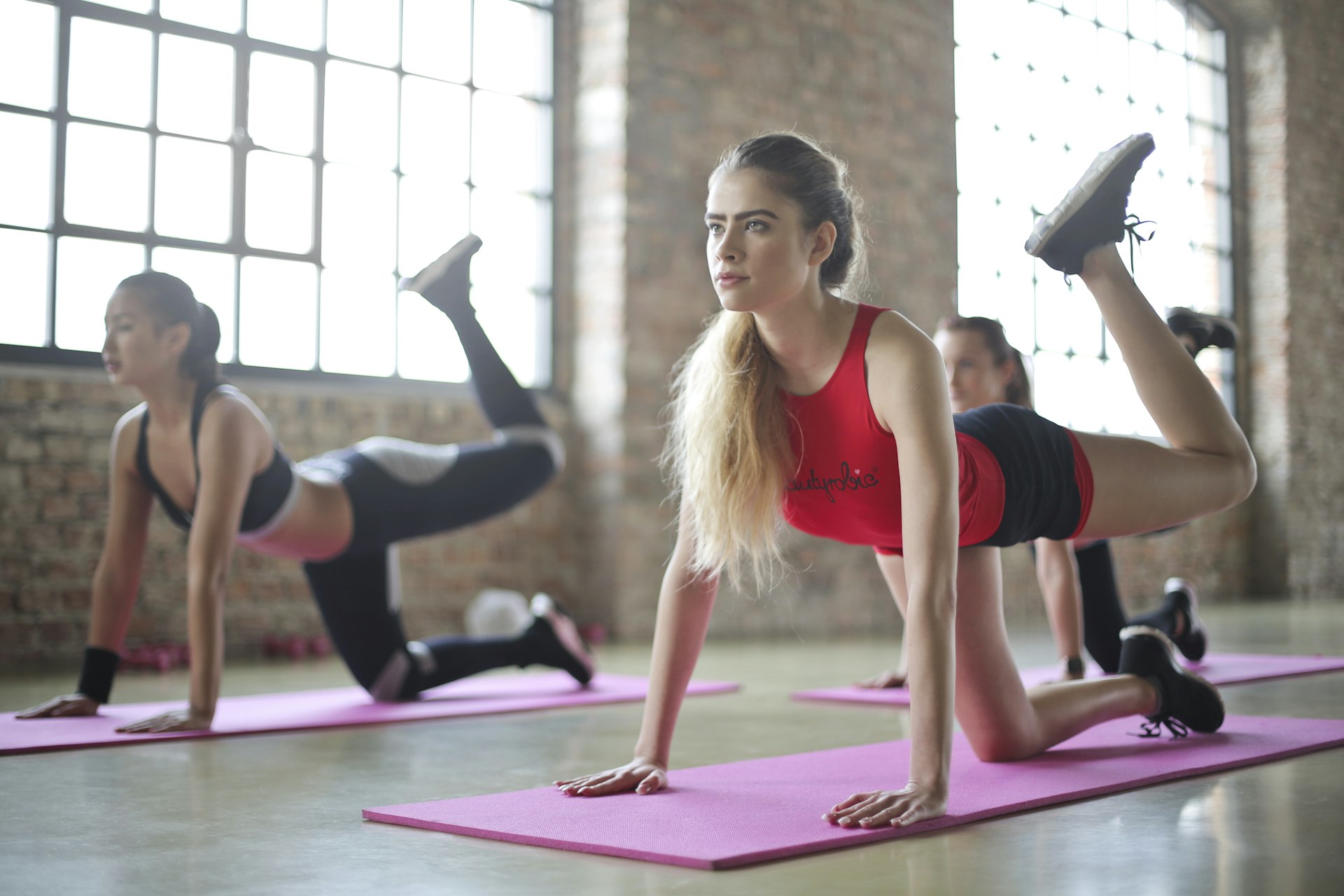
The hip flexors are the tightest muscles in the modern human body because they are constantly contracted when we sit in chairs. Pigeon pose is the ultimate hip opener. Start on all fours. Bring your right knee forward and place it behind your right wrist. Your right foot should be near your left hip. Extend your left leg straight back, keeping your hips square. Slowly lower your upper body over your right leg. You will feel a deep, intense stretch in the right glute and hip. Hold for 45 seconds on each side. This deeply releases the piriformis muscle, which can pinch your sciatic nerve and cause leg pain.
Stretch 3: The Triceps and Shoulder Overhead Stretch
Modern life (typing, driving, smartphones) creates rounded shoulders and tight chests. To counteract this, stand up straight. Raise your right arm overhead, bend your elbow, and drop your hand down behind your back between your shoulder blades. Use your left hand to gently press your right elbow down and across. You should feel a deep stretch in the back of your tricep and under your armpit. Hold for 45 seconds per arm. This improves shoulder mobility, which is crucial for any overhead movements like pushups or throwing.
Stretch 4: The Quad Stretch (Front of Thigh)
Standing up, hold onto a wall or a chair for balance. Bend your left knee, bringing your heel up towards your buttocks. Grab your ankle with your left hand and gently pull it closer to your body. Tuck your pelvis under to get a deeper stretch. Do not arch your back. Hold for 45 seconds per leg. Tight quads pull your pelvis forward, leading to lower back pain. This simple stretch keeps your pelvis aligned and prevents knee pain, particularly if you do a lot of running or cycling.

The Importance of Consistency Over Intensity
The biggest mistake beginners make is pushing too hard and causing micro-tears in their tendons. Flexibility is a slow, gradual process. You should only feel a 'mild discomfort' or 'pull', never sharp, shooting pain. The key to gaining flexibility is consistency. It is far better to stretch for 10 minutes every single day than to stretch for 60 minutes once a week. The daily habit creates what is called 'muscle memory'. Your muscles and fascia begin to accept this new range of motion as normal. Within two weeks of this daily routine, you will notice you can bend further, sit straighter, and your overall posture will improve dramatically.
Make this 10-minute routine a part of your daily ritual. Combine it with the deep breathing we discussed in the morning routine, and you will not only become flexible physically but also mentally. A flexible body is a sign of a healthy body. Start today, be patient with your limitations, and celebrate the small improvements every day.